🥗 Nutrition & Fitness Blog

50 posts · Tips on calories, healthy eating, and exercise
Oatly Barista vs Regular: What Is the Difference?

Oatly Barista vs Regular: What Is the Difference?

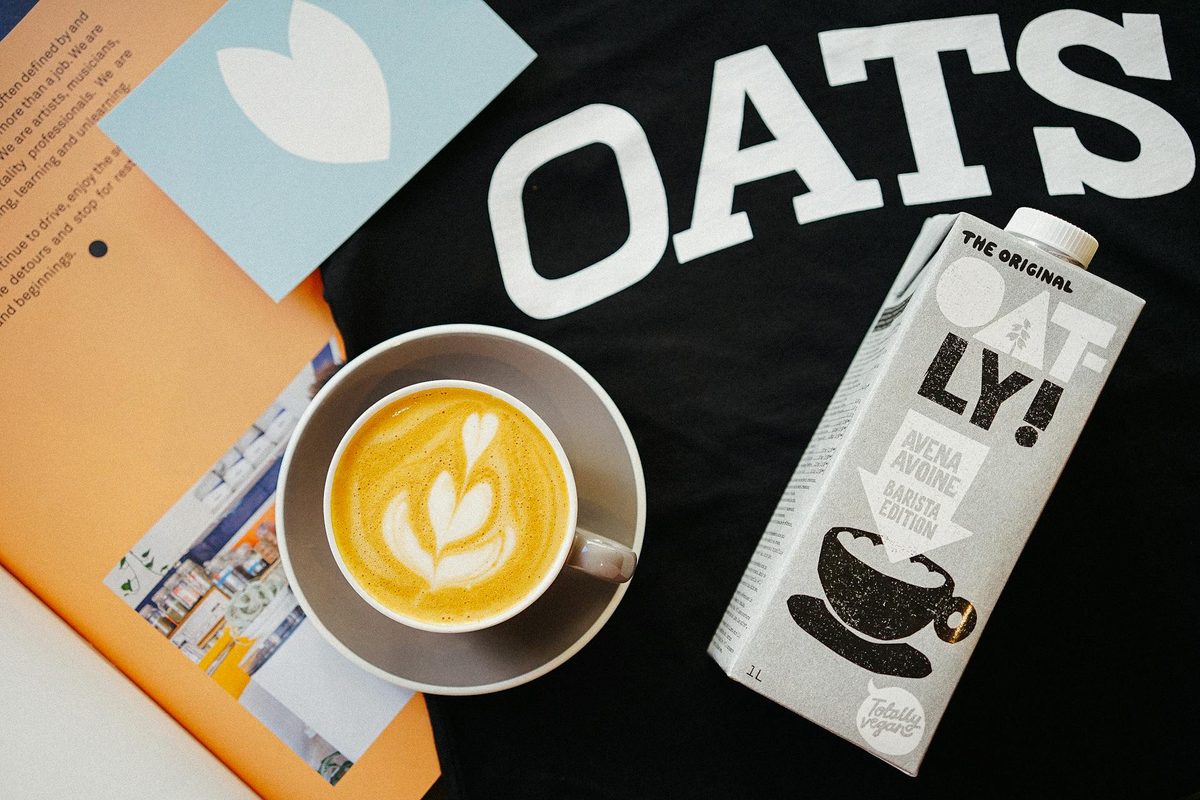
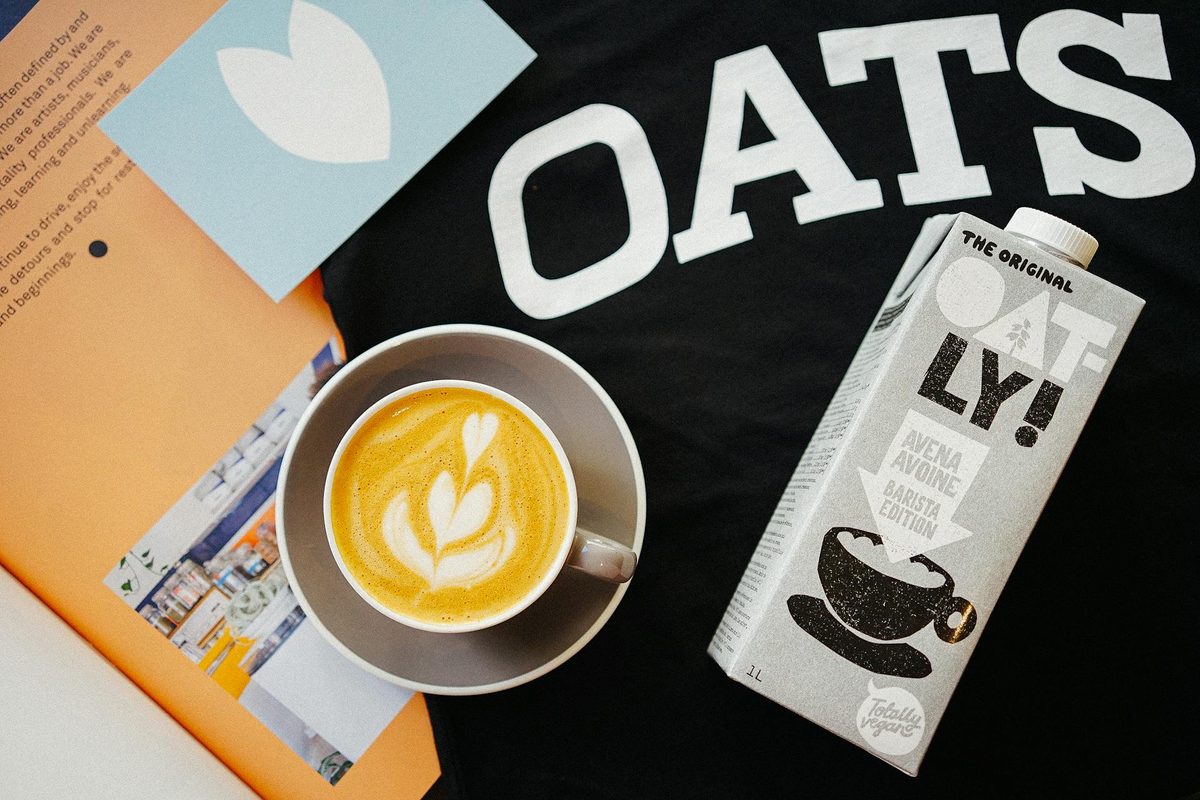
If you have browsed the plant milk section recently you have probably noticed that Oatly sells both a regular version and a barista version. The packaging looks similar and the price difference is small, so it is easy to wonder whether the barista version is just a marketing gimmick or whether there is a genuine reason to choose one over the other. There is a real difference — and it matters depending on how you use your milk. This is part of our Milk Alternatives Complete Guide.
Read more →
Fast Food Salads Under 400 Calories

Fast Food Salads Under 400 Calories

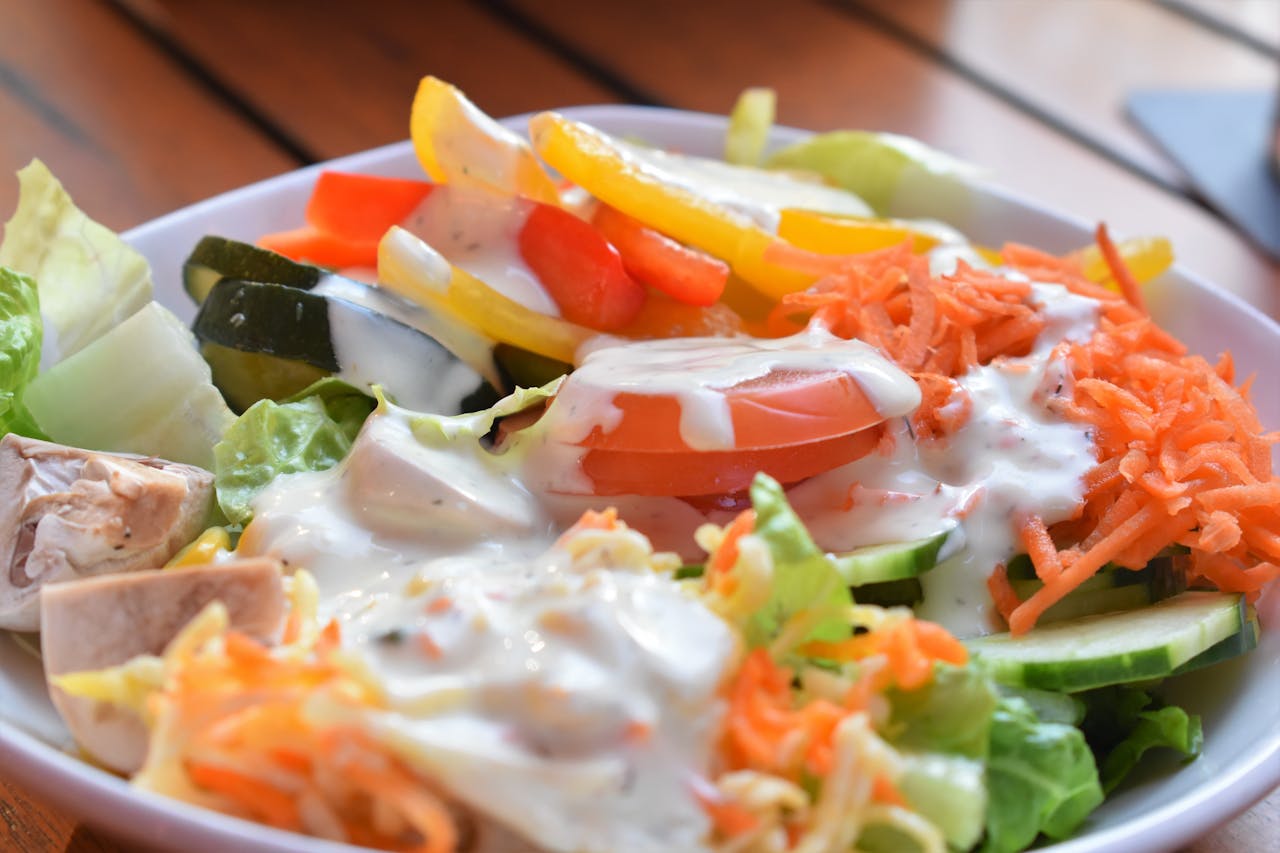
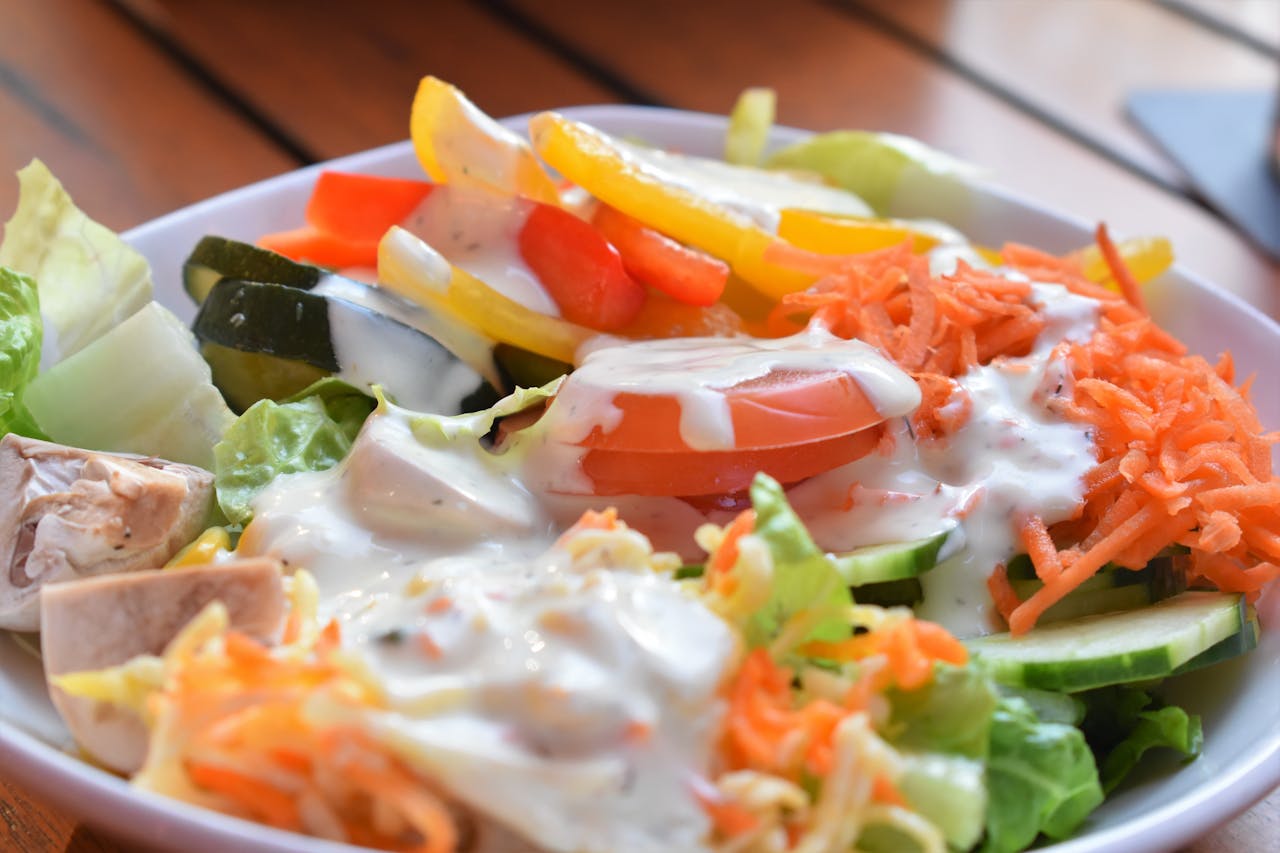
Finding a fast food salad that genuinely comes in under 400 calories — including dressing — is possible at most major chains, but it requires knowing what to order and being deliberate about dressing choice. This post lists every option across the major chains that can realistically be kept under 400 calories with a reasonable dressing selection.Under 400 Calories: The Full ListSubway Salad Bowl (any protein, vinegar or mustard) — ~150-220 caloriesThe Subway salad bowl is the easiest under-400-calorie fast food salad to achieve. Removing the bread from any sandwich and serving over lettuce gives you the fillings for around 150-220 calories depending on protein choice.
Read more →
Unsweetened vs Sweetened Almond Milk: What Is the Difference?

Unsweetened vs Sweetened Almond Milk: What Is the Difference?

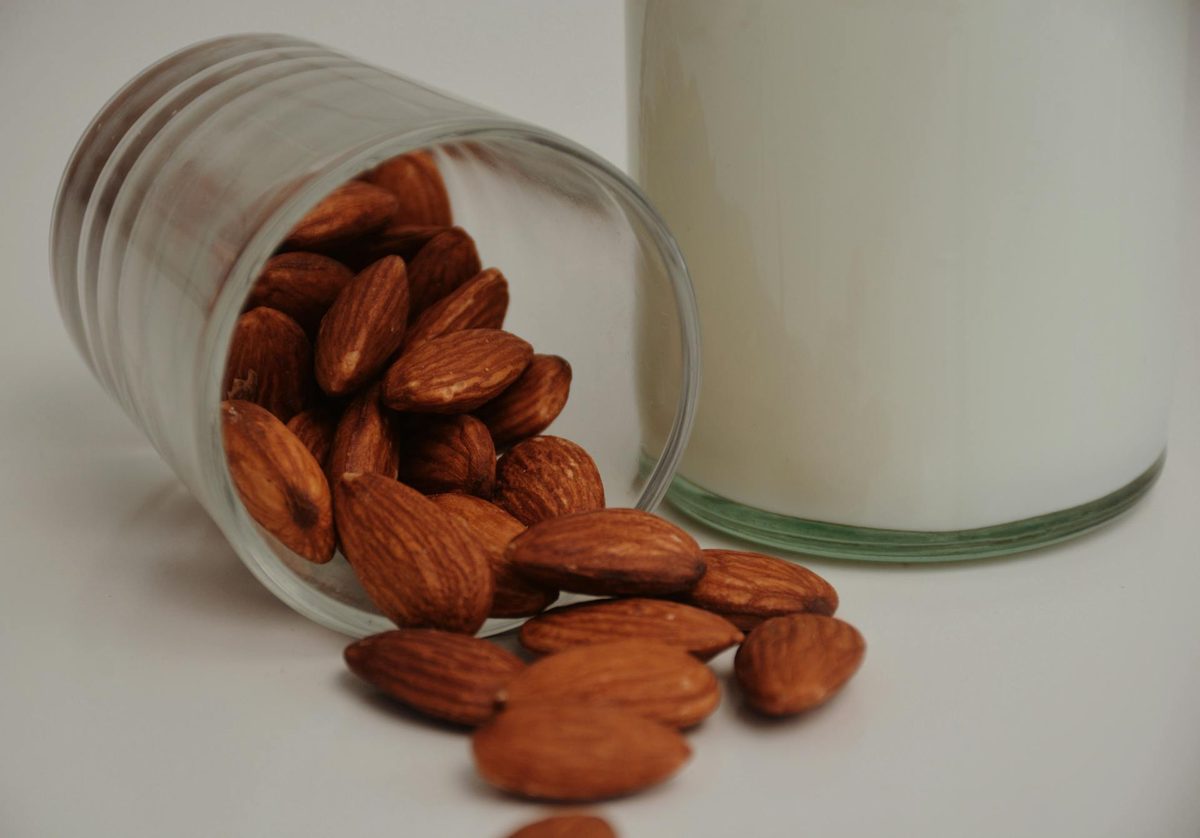
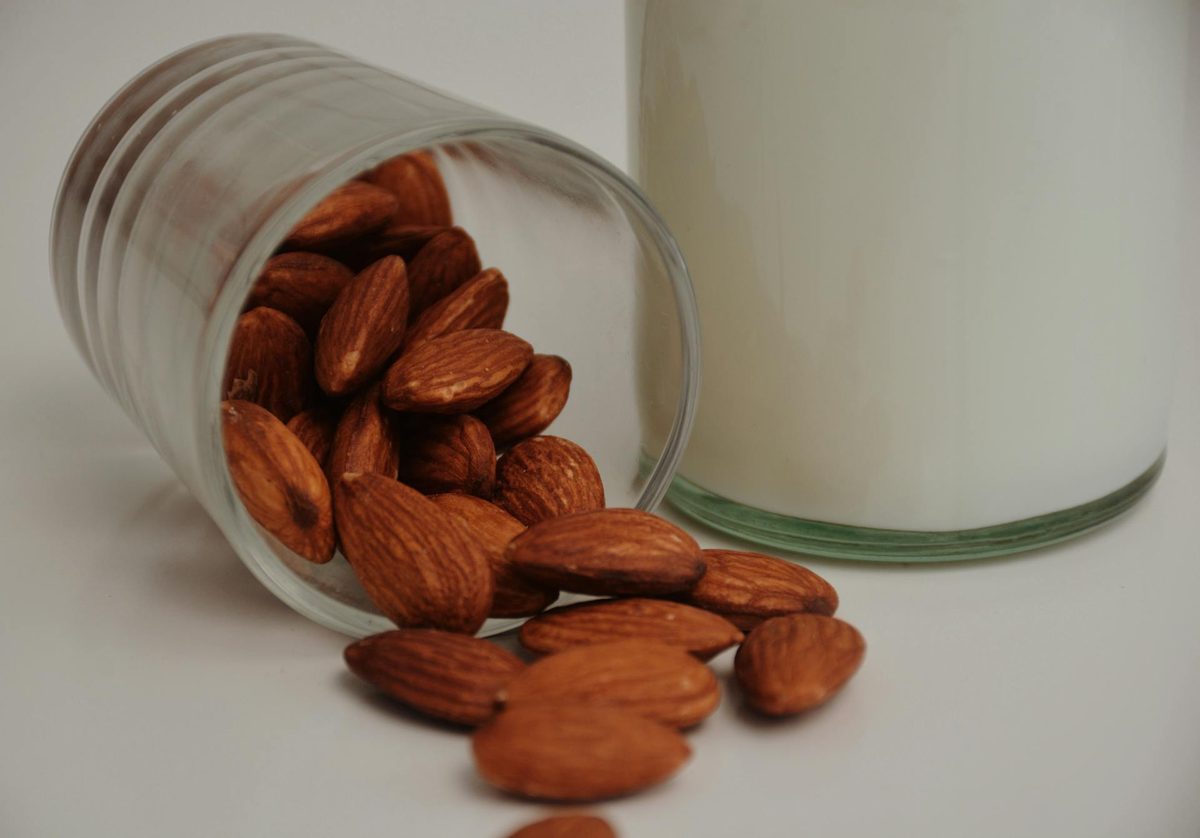
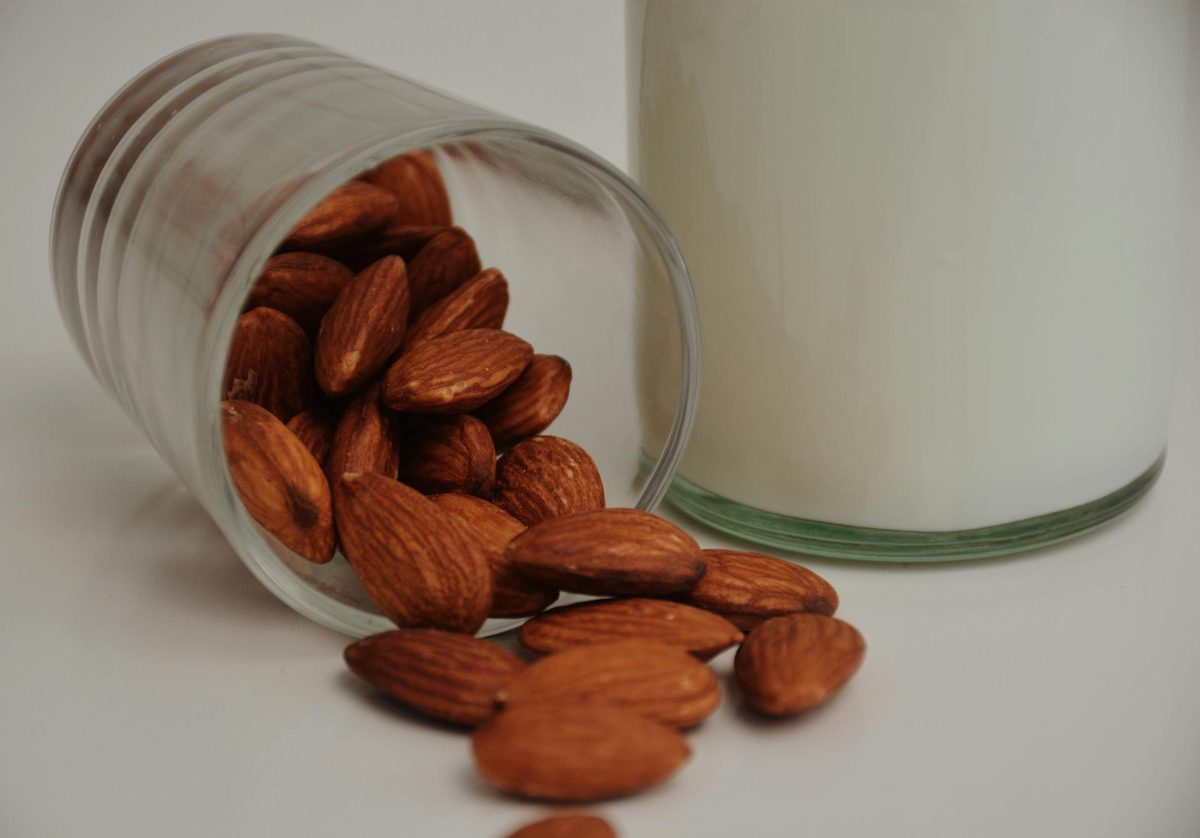
Walk down the plant milk aisle and you will find almond milk in both sweetened and unsweetened versions. The packaging looks similar but the nutritional difference is significant. Understanding what you are actually buying — and why it matters — takes less than a minute and could save you a meaningful number of calories every day. This is part of our Milk Alternatives Complete Guide.
Read more →
Best Fast Food Salads for Weight Loss

Best Fast Food Salads for Weight Loss

Weight loss comes down to maintaining a calorie deficit — consuming fewer calories than you burn. When you're eating fast food, making smart choices that keep calories low while keeping you full long enough to avoid snacking shortly after is the practical challenge. Salads, ordered correctly, can be one of the most effective tools for this.The criteria for the best fast food salad for weight loss are: low calories, high protein (for satiety and muscle preservation), meaningful fibre content, and a realistic, satisfying meal rather than something that leaves you hungry twenty minutes later.Best by ChainMcDonald's: Southwest Grilled Chicken Salad with Low-Fat Balsamic Vinaigrette — ~385 calories, 32g proteinThe best weight loss order at McDonald's.
Read more →
Oatly vs Califia: Which Is Better?

Oatly vs Califia: Which Is Better?

Oatly and Califia Farms are two of the most recognisable names in the plant milk market. Oatly is the Swedish brand that essentially created the premium oat milk category, while Califia Farms is a California-based brand known for its almond and oat milk ranges. If you are choosing between them at the supermarket, here is what the comparison looks like in practice. This is part of our Milk Alternatives Complete Guide.
Read more →
Fast Food Salads vs Burgers: Calories Compared

Fast Food Salads vs Burgers: Calories Compared

The salad versus burger debate is one of the most common fast food nutrition questions. The assumption is almost always that salads are healthier. And often they are — but not universally.
Read more →
Soy Milk vs Whole Milk: Nutrition Compared

Soy Milk vs Whole Milk: Nutrition Compared

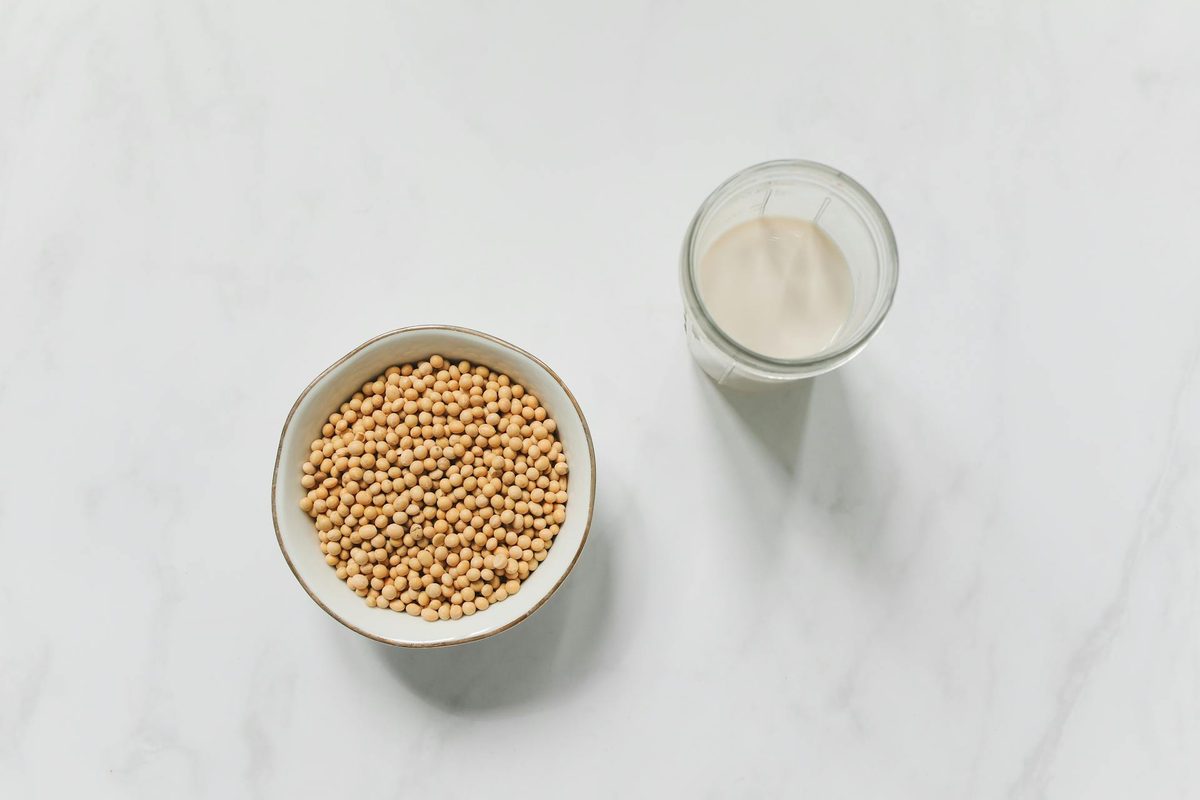
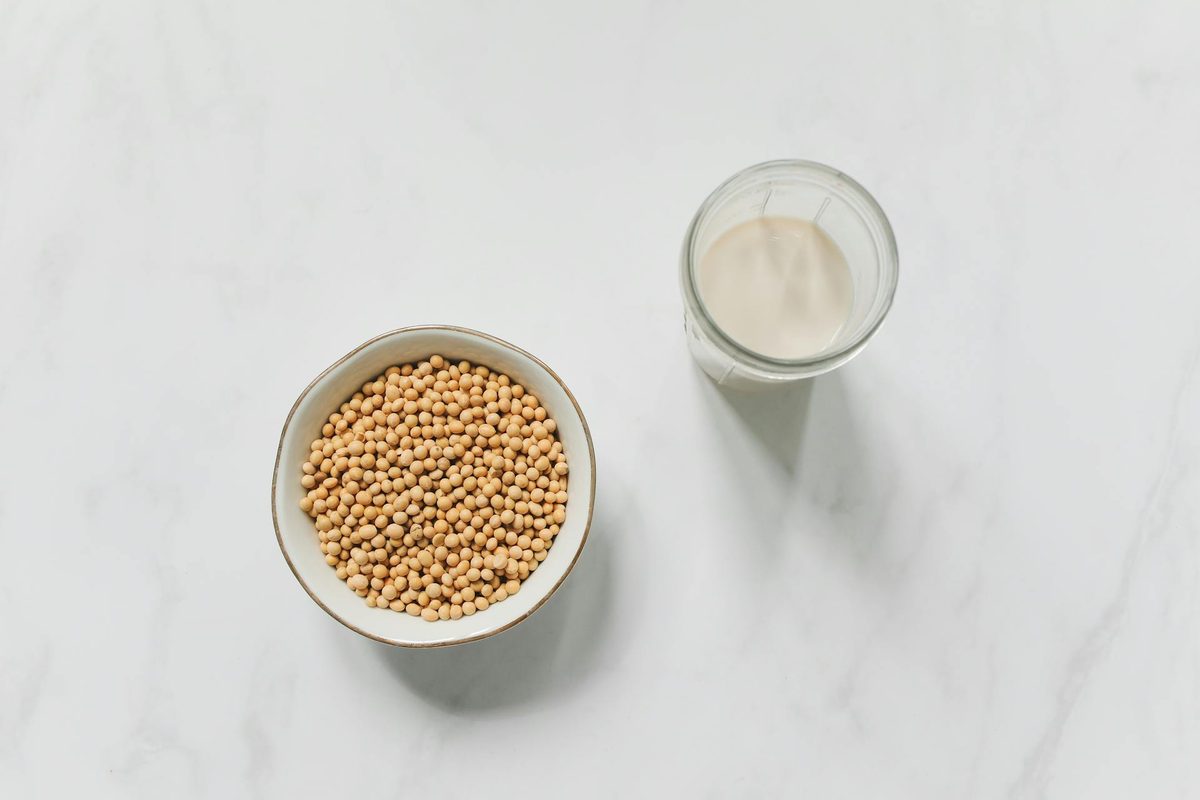
Of all the plant-based milk alternatives, soy milk is the one that most closely resembles cow's milk nutritionally. If you are switching from dairy for ethical or health reasons and want to minimise the nutritional trade-off, soy milk is the most logical starting point. Here is how the two compare in detail. This is part of our Milk Alternatives Complete Guide.
Read more →
Healthiest Fast Food Salads Ranked

Healthiest Fast Food Salads Ranked

Determining the "healthiest" fast food salad requires looking beyond just calories. A truly healthy salad delivers a balance of protein, fibre, vitamins, and minerals alongside a reasonable calorie count. High protein keeps you full.
Read more →
Why Fast Food Salads Can Have More Calories Than Burgers

Why Fast Food Salads Can Have More Calories Than Burgers

Ask someone what they're going to order at McDonald's if they're trying to eat light and most people will say a salad. It seems obvious — a bowl of greens has to be better than a burger, right? Not always. And understanding why helps you make genuinely smarter decisions when eating fast food, rather than just picking whatever sounds healthiest.The Numbers Don't LieLet's start with a concrete example.
Read more →
Almond Milk vs Whole Milk: Nutrition Compared

Almond Milk vs Whole Milk: Nutrition Compared

Almond milk is one of the most popular dairy milk replacements, particularly for people looking to reduce calories. But the nutritional differences between almond milk and whole dairy milk are significant and worth understanding before making the switch permanent. This is part of our Milk Alternatives Complete Guide. See also Oat Milk vs Whole Milk and Best Milk Alternative for Weight Loss. Calories: Almond Milk Wins Dramatically This is the starkest calorie comparison in the entire milk alternatives series.
Read more →
Fast Food Salad Toppings Ranked by Calories

Fast Food Salad Toppings Ranked by Calories

When you build a fast food salad — or customise one at a chain like Chipotle or Sweetgreen — the toppings you choose can easily double or triple the calorie count of the base. Understanding what each topping contributes lets you make deliberate choices rather than adding things automatically because they sound healthy or come standard with the order.Toppings Ranked from Lowest to Highest CaloriesFresh vegetable toppings — 0-25 caloriesTomatoes, cucumber, red onion, jalapeños, roasted peppers, lettuce mix. These are essentially calorie-free additions that add fibre, vitamins, and flavour.
Read more →
Grilled vs Crispy Chicken: Calories and Nutrition Compared

Grilled vs Crispy Chicken: Calories and Nutrition Compared

Across every fast food chain that offers both grilled and crispy (breaded/fried) chicken options, the same pattern holds: grilled is meaningfully lower in calories, lower in fat, and lower in sodium. The difference is consistent enough that choosing grilled over crispy every time you eat fast food is one of the single most effective dietary habits for anyone managing their calorie intake.Why Crispy Chicken Is So Much Higher in CaloriesThe breading and frying process adds calories in two ways. First, the breading itself adds carbohydrates — typically 10-20 grams per serving.
Read more →
Oat Milk vs Whole Milk: Nutrition Compared

Oat Milk vs Whole Milk: Nutrition Compared

Oat milk has become many people's default dairy alternative, particularly in coffee. But how does it actually compare to the whole dairy milk it is replacing? The nutritional trade-offs are more significant than most people realise — and not always in oat milk's favour. This is part of our Milk Alternatives Complete Guide. See also Almond Milk vs Whole Milk and Soy Milk vs Whole Milk. Calories: Similar, Whole Milk Slightly Higher Whole milk contains approximately 149 calories per cup, while oat milk contains around 120 calories.
Read more →
Fast Food Salad Dressings Compared: Calories Ranked

Fast Food Salad Dressings Compared: Calories Ranked

If there is one single factor that determines whether a fast food salad is a genuinely light meal or a calorie bomb in disguise, it is the dressing. A grilled chicken salad with light vinaigrette can be under 400 calories. The same salad with a full packet of creamy ranch can top 600.
Read more →
Soy Milk vs Coconut Milk: Nutrition Compared

Soy Milk vs Coconut Milk: Nutrition Compared

Soy milk and coconut milk are at opposite ends of the plant milk nutrition spectrum. Soy milk is the highest-protein plant milk, most closely resembling dairy milk nutritionally. Coconut milk is one of the lowest-calorie and lowest-protein options.
Read more →
Subway Salad vs Footlong: Calories Compared

Subway Salad vs Footlong: Calories Compared

One of Subway's most underutilised features is the ability to order any sandwich as a salad — the same fillings, minus the bread, served over a bed of lettuce. It's a simple substitution that has a significant impact on the calorie count. If you're a regular Subway customer and haven't tried the salad option, the calorie comparison below might change how you order.What the Bread Actually Costs YouSubway's 6-inch bread contains approximately 180-210 calories depending on the variety.
Read more →
Almond Milk vs Coconut Milk: Nutrition Compared

Almond Milk vs Coconut Milk: Nutrition Compared

Almond milk and coconut milk are two of the lowest-calorie plant-based milk alternatives available. Both are dairy-free, lactose-free, and low in protein — but they differ in fat content, flavour, and best uses. If you are choosing between them, the differences are more subtle than comparing either to oat or soy milk. This is part of our Milk Alternatives Complete Guide.
Read more →
Chipotle Salad vs Burrito Bowl: Calories Compared

Chipotle Salad vs Burrito Bowl: Calories Compared

Chipotle offers both a burrito bowl and a salad bowl, and they are structurally identical except for one thing: the burrito bowl starts with a rice base, the salad bowl starts with supergreens lettuce. That single substitution has a dramatic impact on the calorie count of your meal — and understanding it is one of the most useful pieces of nutrition knowledge you can take into a Chipotle visit.The Core Difference: Rice vs SupergreensChipotle's white rice provides approximately 210 calories per serving. Brown rice is similar at around 200 calories.
Read more →
Almond Milk vs Soy Milk: Nutrition Compared

Almond Milk vs Soy Milk: Nutrition Compared

Almond milk and soy milk represent two very different approaches to dairy alternatives. Almond milk is the ultra-low-calorie option, while soy milk is the high-protein option that most closely matches dairy milk nutritionally. Choosing between them comes down to what you are prioritising in your diet. This is part of our Milk Alternatives Complete Guide.
Read more →
Chick-fil-A Salad vs Sandwich: Calories Compared

Chick-fil-A Salad vs Sandwich: Calories Compared

Chick-fil-A is unusual among fast food chains in that its salads are a genuine nutritional competitor to its sandwiches — not an afterthought or a compromise. Understanding how the two categories compare helps you make a smarter order depending on your goals.The Chick-fil-A Sandwich Lineup: CaloriesThe core Chick-fil-A sandwich options and their calorie counts:Chick-fil-A Chicken Sandwich — 440 calories, 28g proteinSpicy Chicken Sandwich — 450 calories, 28g proteinGrilled Chicken Sandwich — 320 calories, 29g proteinGrilled Chicken Club Sandwich — 520 calories, 38g proteinPretzel Cheddar Club Sandwich — 600 calories, 36g proteinThe Chick-fil-A Salad Lineup: CaloriesThe salad options with recommended dressing:Market Salad (grilled, light Italian) — ~370 calories, 30g proteinSpicy Southwest Salad (grilled, chili lime vinaigrette) — ~450 calories, 33g proteinCobb Salad (grilled, half avocado lime ranch) — ~660 calories, 40g proteinGrilled Chicken Cool Wrap — 350 calories, 42g proteinThe Verdict: Which Is the Smarter Order?For the lowest calorie option: the Grilled Chicken Sandwich at 320 calories and the Grilled Chicken Cool Wrap at 350 calories are very close. The Grilled Chicken Sandwich has a slight calorie edge.For the best protein-to-calorie ratio: the Grilled Chicken Cool Wrap wins outright at 42g of protein for 350 calories.
Read more →
Oat Milk vs Coconut Milk: Nutrition Compared

Oat Milk vs Coconut Milk: Nutrition Compared

Oat milk and coconut milk are both widely used dairy alternatives but they have quite different nutritional profiles and flavour characteristics. The right choice between them depends largely on how you plan to use them and what your dietary priorities are. This is part of our Milk Alternatives Complete Guide. See also Oat Milk vs Almond Milk and Almond Milk vs Coconut Milk. An Important Distinction: Carton vs Canned Coconut Milk Before comparing the two it is essential to clarify which coconut milk we are talking about.
Read more →
McDonald's Salad vs Big Mac: Calories Compared

McDonald's Salad vs Big Mac: Calories Compared

This is one of the most common assumptions people make at McDonald's — that ordering a salad is automatically the lighter choice. And most of the time it is, but not always. The Big Mac is a useful benchmark because it's the most iconic item on the menu and sits at a calorie count that surprises many people.The Big Mac: Calories and NutritionThe McDonald's Big Mac contains 563 calories per burger, with 26g of protein, 44g of carbohydrates, and 33g of fat.
Read more →
Oat Milk vs Soy Milk: Nutrition Compared

Oat Milk vs Soy Milk: Nutrition Compared

Oat milk and soy milk are both popular dairy alternatives but they occupy very different nutritional positions. Oat milk is higher in carbohydrates and has a creamy flavour ideal for coffee, while soy milk is significantly higher in protein and more closely mirrors dairy milk's nutritional profile. Understanding the difference helps you pick the right one for your goals. This is part of our Milk Alternatives Complete Guide.
Read more →
Sweetgreen Salads: Calories and Nutrition Ranked

Sweetgreen Salads: Calories and Nutrition Ranked

Sweetgreen has built one of the strongest brand identities in the fast casual space around the idea of clean, seasonal, and nutritious food. And largely, it lives up to that positioning — the ingredients are genuinely higher quality than most fast food competitors and the menu is designed with nutrition in mind. But Sweetgreen is also where portion sizes are generous and toppings are layered, which means the calorie counts on some bowls are higher than the clean branding might suggest.Note: Sweetgreen is not in the USDA Food Central Database, so the figures below are sourced from Sweetgreen's published nutrition information.Sweetgreen Signature Bowls Ranked by CaloriesGuacamole Greens — ~430 caloriesOne of the lower-calorie options on the Sweetgreen menu.
Read more →
Oat Milk vs Almond Milk: Nutrition Compared

Oat Milk vs Almond Milk: Nutrition Compared

Oat milk and almond milk are the two most popular plant-based milk alternatives on the market. Both are widely available, dairy-free, and naturally lactose-free — but nutritionally they are quite different. Choosing between them depends on what matters most to you: calories, carbohydrates, flavour, or how they perform in coffee and cooking. This is part of our Milk Alternatives Complete Guide.
Read more →
Chipotle Salad Nutrition: Everything You Need to Know

Chipotle Salad Nutrition: Everything You Need to Know

Chipotle doesn't have a traditional salad in the way that McDonald's or Wendy's do. What they offer instead is a salad bowl — a burrito bowl base built on supergreens lettuce rather than rice. It's one of the most customizable fast food options available, which means the calorie count is almost entirely within your control.
Read more →
Milk Alternatives Compared: The Complete Guide

Milk Alternatives Compared: The Complete Guide

The market for milk alternatives has grown dramatically over the past decade. Walk into any supermarket and you will find shelves full of oat milk, almond milk, soy milk, coconut milk, rice milk, hemp milk, and more — each with its own nutritional profile, environmental footprint, and set of best uses. Choosing between them can be genuinely confusing, particularly when marketing claims on packaging do not always reflect the nutritional reality inside the carton. This guide cuts through the noise and gives you a clear, factual comparison of the four most popular milk alternatives — oat, almond, soy, and coconut — across the metrics that matter most: calories, protein, fat, carbohydrates, vitamins, and suitability for different dietary goals.
Read more →
Wendy's Salads: Calories and Nutrition Ranked

Wendy's Salads: Calories and Nutrition Ranked

Wendy's has maintained one of the more consistent salad menus in fast food, with options that are genuinely more substantial than competitors. The salads are large, the ingredients are varied, and the protein counts are impressive. But substantial also means higher calorie counts across the board — Wendy's salads are not light meals by default.Wendy's Salads Ranked by CaloriesParmesan Caesar Salad — ~430 caloriesOne of the more straightforward options at Wendy's — romaine, parmesan, croutons, and grilled chicken with Caesar dressing.
Read more →
Fish vs Chicken: Calories and Nutrition Compared

Fish vs Chicken: Calories and Nutrition Compared

Fish and chicken are both widely recommended as healthy protein sources, and both feature prominently in weight loss and muscle-building diets. But how do they actually compare nutritionally? The answer is more nuanced than most people expect — each has distinct advantages depending on your dietary goals. This is part of our Fish Nutrition Complete Guide. See also Healthiest Fish for Weight Loss and Fish with the Most Protein. Calories: Depends on the Fish Chicken breast contains approximately 165 calories per 100g cooked — placing it between lean white fish and oily fish on the calorie scale.
Read more →
Panera Salads: Calories and Nutrition Ranked

Panera Salads: Calories and Nutrition Ranked

Panera Bread positions itself as a healthier alternative to traditional fast food, and its salad menu reflects that ambition more than most chains. The ingredients are fresher, the options more varied, and the calorie transparency is better than average. But Panera is also where some of the most calorie-dense fast food salads exist — loaded with cheese, croutons, and creamy dressings that can push a seemingly light meal well past 600 calories.Panera Salads Ranked by CaloriesStrawberry Poppyseed Salad with Chicken — ~340 caloriesOne of the lowest-calorie salads on the Panera menu.
Read more →
Fish with the Most Protein

Fish with the Most Protein

Fish is an outstanding source of high-quality complete protein, but protein content varies significantly between species. If maximising protein intake is your goal — whether for muscle building, weight loss, or general health — knowing which fish delivers the most protein per serving and per calorie is valuable. This guide ranks the top options. This is part of our Fish Nutrition Complete Guide.
Read more →
Chick-fil-A Salads: Calories and Nutrition Ranked

Chick-fil-A Salads: Calories and Nutrition Ranked

Chick-fil-A is one of the few fast food chains where ordering a salad genuinely makes nutritional sense. Unlike some competitors where the salad is an afterthought, Chick-fil-A has invested in its salad menu with options that deliver real nutritional value — high protein, fresh ingredients, and calorie counts that actually compete with the sandwich options in a meaningful way.Chick-fil-A Salads Ranked by CaloriesMarket Salad — ~340 calories (with grilled nuggets, light Italian dressing)Consistently cited as one of the healthiest fast food salads available anywhere. It combines grilled chicken or nuggets with mixed greens, red and green apples, blueberries, and strawberries, topped with granola and crumbled blue cheese.
Read more →
Healthiest Fish for Weight Loss

Healthiest Fish for Weight Loss

Fish is one of the most effective foods for weight loss. It is high in protein — which keeps you full and preserves muscle mass during a calorie deficit — and generally lower in calories than other animal proteins. But some fish are significantly better for weight loss than others.
Read more →
McDonald's Salads: Calories and Nutrition Ranked

McDonald's Salads: Calories and Nutrition Ranked

McDonald's has long marketed its salad options as the lighter, healthier side of the menu. And while that can be true, it very much depends on what you order — and crucially, what dressing you pour on top. The wrong combination can turn a seemingly virtuous salad into a higher-calorie meal than a Quarter Pounder.McDonald's has trimmed its salad menu significantly in recent years, removing several options in the aftermath of the COVID-19 pandemic.
Read more →
Tuna vs Cod: Nutrition Compared

Tuna vs Cod: Nutrition Compared

Tuna and cod are both lean white-to-light fish that are popular for their mild flavour and high protein content. They are closer nutritionally than most fish comparisons, but there are meaningful differences worth understanding before choosing between them. This is part of our Fish Nutrition Complete Guide. See also Salmon vs Tuna and Fish with the Most Protein. Calories: Cod Is Lower Cod contains approximately 105 calories per 100g cooked, compared to around 144 calories for tuna.
Read more →
Shrimp vs Salmon: Nutrition Compared

Shrimp vs Salmon: Nutrition Compared

Shrimp and salmon are both widely eaten seafood options, but nutritionally they are quite different. Shrimp is one of the lowest-calorie protein sources available, while salmon is a calorie-dense oily fish packed with omega-3s. Which is better for your diet depends entirely on what you are trying to achieve. This is part of our Fish Nutrition Complete Guide.
Read more →
Salmon vs Tilapia: Nutrition Compared

Salmon vs Tilapia: Nutrition Compared

Salmon and tilapia are both widely eaten, affordable, and considered healthy choices — but they represent opposite ends of the fish nutrition spectrum. Salmon is a fatty oily fish packed with omega-3s and calories, while tilapia is one of the leanest white fish available. Understanding the difference helps you choose the right fish for your specific dietary goals. This is part of our Fish Nutrition Complete Guide.
Read more →
Salmon vs Tuna: Nutrition Compared

Salmon vs Tuna: Nutrition Compared

Salmon and tuna are two of the most consumed fish globally, and both are frequently cited as healthy food choices. But when you put them side by side nutritionally, they are quite different — and the right choice depends on what you are trying to achieve with your diet. This is part of our Fish Nutrition Complete Guide. For comparisons with other fish, see Salmon vs Tilapia and Tuna vs Cod. Calories: Tuna Wins for Weight Loss Per 100g cooked serving, salmon contains approximately 208 calories while tuna contains around 144 calories.
Read more →
Healthiest Starbucks Drinks for Weight Loss

Healthiest Starbucks Drinks for Weight Loss

Starbucks is one of the most visited coffee chains in the world, but it's also one of the easiest places to accidentally consume 400+ calories before you've eaten a single meal. A Grande Pumpkin Spice Latte with whipped cream packs around 390 calories and 52 grams of carbohydrates. A White Chocolate Mocha can top 500 calories in a large size.
Read more →
Fish Nutrition Compared: The Complete Guide

Fish Nutrition Compared: The Complete Guide

Fish is widely regarded as one of the healthiest protein sources available. It is high in lean protein, rich in omega-3 fatty acids, and generally lower in saturated fat than red meat or poultry. But not all fish are nutritionally equal — the differences between species in terms of calories, protein, fat, and micronutrient content are significant enough to matter if you are making deliberate dietary choices. This guide compares the most popular fish and seafood on the key nutritional metrics that matter most: calories, protein, fat, omega-3 content, and overall suitability for different dietary goals.
Read more →
Zinc-Rich Foods To Add To Your Diet

Zinc-Rich Foods To Add To Your Diet

Zinc is one of the most important trace minerals in the human body, yet it is frequently overlooked compared to more widely discussed nutrients like vitamin C or iron. It plays a role in over 300 enzymatic reactions, supports immune function, wound healing, protein synthesis, DNA production, and even your sense of taste and smell. Since the body has no dedicated zinc storage system, you need to consume it consistently through your diet.
Read more →
Foods Rich in Vitamin-D to Add to Your Diet

Foods Rich in Vitamin-D to Add to Your Diet

Vitamin D is unusual among nutrients in that your body can make it from sunlight — specifically, UVB radiation triggers vitamin D synthesis in the skin. For most of human history, this was the primary source. In the modern world, with more time spent indoors, more sunscreen use, more covering clothing, and many people living at latitudes where winter sun is too weak to support synthesis, dietary vitamin D matters far more than it used to. The NIH Office of Dietary Supplements recommends 600 IU (15 mcg) per day for most adults, rising to 800 IU for adults over 70.
Read more →
Iron-Rich Foods To Add To Your Diet

Iron-Rich Foods To Add To Your Diet

Iron deficiency is the most common nutrient deficiency worldwide. The World Health Organization estimates that around 30% of the global population is affected, with women of reproductive age and young children at highest risk. The consequences range from fatigue and reduced exercise capacity in mild cases to iron-deficiency anaemia in severe cases. The NIH Office of Dietary Supplements recommends 8mg/day for adult men and postmenopausal women, and 18mg/day for premenopausal women (rising to 27mg during pregnancy).
Read more →
Calcium-Rich Foods to Add to Your Diet

Calcium-Rich Foods to Add to Your Diet

Calcium is the most abundant mineral in the human body — and nearly all of it (around 99%) is stored in bones and teeth. The other 1% has critical jobs: muscle contraction, nerve signalling, blood clotting, and hormone secretion. The body works hard to keep blood calcium levels stable, drawing from bone stores if dietary intake falls short.
Read more →
Omega-3 Fatty Acid Rich Foods To Add To Your Diet

Omega-3 Fatty Acid Rich Foods To Add To Your Diet

Omega-3 fatty acids are essential — meaning your body cannot produce them and must get them from food. The three most important forms are ALA (alpha-linolenic acid), found in plant sources, and EPA and DHA, the long-chain forms found primarily in fatty fish. EPA and DHA are the most directly bioactive forms; the body can convert some ALA into them, but the conversion is inefficient (roughly 5–10% for EPA, less than 1% for DHA in most adults). Adequate omega-3 intake is associated with reduced cardiovascular risk, lower inflammation, support for brain and eye health, and possible benefits for mood disorders.
Read more →
Protein Rich Foods To Add To Your Diet

Protein Rich Foods To Add To Your Diet

Protein is the building block your body uses for almost everything that matters — muscle, enzymes, hormones, immune cells, and the structural proteins in skin and connective tissue. Adequate intake is non-negotiable for health, and the requirement is meaningfully higher than the bare minimum for anyone who exercises, anyone over 60, or anyone trying to lose weight while preserving muscle. The standard reference is 0.8g per kilogram of body weight per day — the floor required to prevent deficiency in an inactive adult. Most current research, including position statements from the American College of Sports Medicine and the International Society of Sports Nutrition, suggests substantially more for active individuals: 1.4–2.0g/kg for endurance athletes and resistance trainers, and 1.0–1.2g/kg for older adults specifically to combat age-related muscle loss. For a 70kg (155 lb) adult, that puts the practical range at roughly 70g (sedentary) to 140g (very active or building muscle) per day.
Read more →
Fiber Rich Foods To Add To Your Diet

Fiber Rich Foods To Add To Your Diet

Most adults in the developed world fall well short of their daily fibre target. The Dietary Guidelines for Americans recommend 25g per day for adult women and 38g for adult men, but national surveys consistently show average intake hovering around 15g per day — less than half the recommendation. The shortfall is one of the most common and most easily corrected nutritional gaps in modern eating patterns. Fibre is far more than just a digestive aid.
Read more →
5 Benefits of Doing Burpees

5 Benefits of Doing Burpees

Burpees are a convenient exercise that combine cardio and strength training into one super exercise. Adding burpees to your routine can have a number of benefits. Before we get too far, please make sure you consult a doctor before adding this exercise to your routine if you have any health risks. Just in case you aren't familiar with a burpee, we will go through the steps below: Begin in a standing position with your feet shoulder width apart Drop into a squat to the point where you can place your hands on the floor Kick your legs back into a higher plank position (body in a straight line) Lower toward the ground, basically doing the bottom part of a push-up Rise back to the high plank position Move back up to the squat position Jump then repeat Burpees Benefits Burpees are Great for Cardio Health Burpees are a highly effective exercise for improving cardiovascular health due to their full-body engagement and high-intensity nature.
Read more →
The Best Stretches For After a Run and Their Benefits

The Best Stretches For After a Run and Their Benefits

Finishing your run doesn't mean you should end your workout just yet. Stretching after a run or workout provides many benefits such as optimizing recovery and preventing injury. If you are looking to improve your flexibility, there is no better time to stretch than after a workout.
Read more →
What To Eat Before a Workout

What To Eat Before a Workout

Pre-workout nutrition, just like post-workout nutrition, is crucial for optimizing exercise performance and recovery. Consuming carbohydrates, protein, and healthy fats before a workout helps maximize glycogen stores for energy, promote muscle growth, and enhance overall workout capacity and endurance. Proper timing of pre-workout meals can also prevent gastrointestinal issues and support post-workout recovery.
Read more →